ESG Reporting
Navigating the New CSRD: What Your Business Needs to Know
The Corporate Sustainability Reporting Directive is a game-changer for corporate transparency. We break down the key requirements, deadlines, and strategic implications for your business.

Chloe Dubois
Published on July 01, 2025 ·
8 min read

The landscape of corporate responsibility is undergoing a seismic shift. Central to this transformation is the Corporate Sustainability Reporting Directive (CSRD), a new piece of EU legislation set to redefine how companies report on their environmental, social, and governance (ESG) impacts. For many businesses, this isn't just another compliance hurdle; it's a fundamental change that demands strategic attention. Unlike its predecessor, the Non-Financial Reporting Directive (NFRD), the CSRD casts a much wider net. It will eventually apply to nearly 50,000 companies, including large and listed EU companies, as well as non- EU companies with significant activity in the European Union. The goal is clear: to make sustainability reporting as rigorous and reliable as financial reporting.
Key Pillars of the CSRD
Understanding the CSRD requires a grasp of its core components. These pillars are designed to ensure that the information disclosed is comprehensive, comparable, and relevant to all stakeholders.
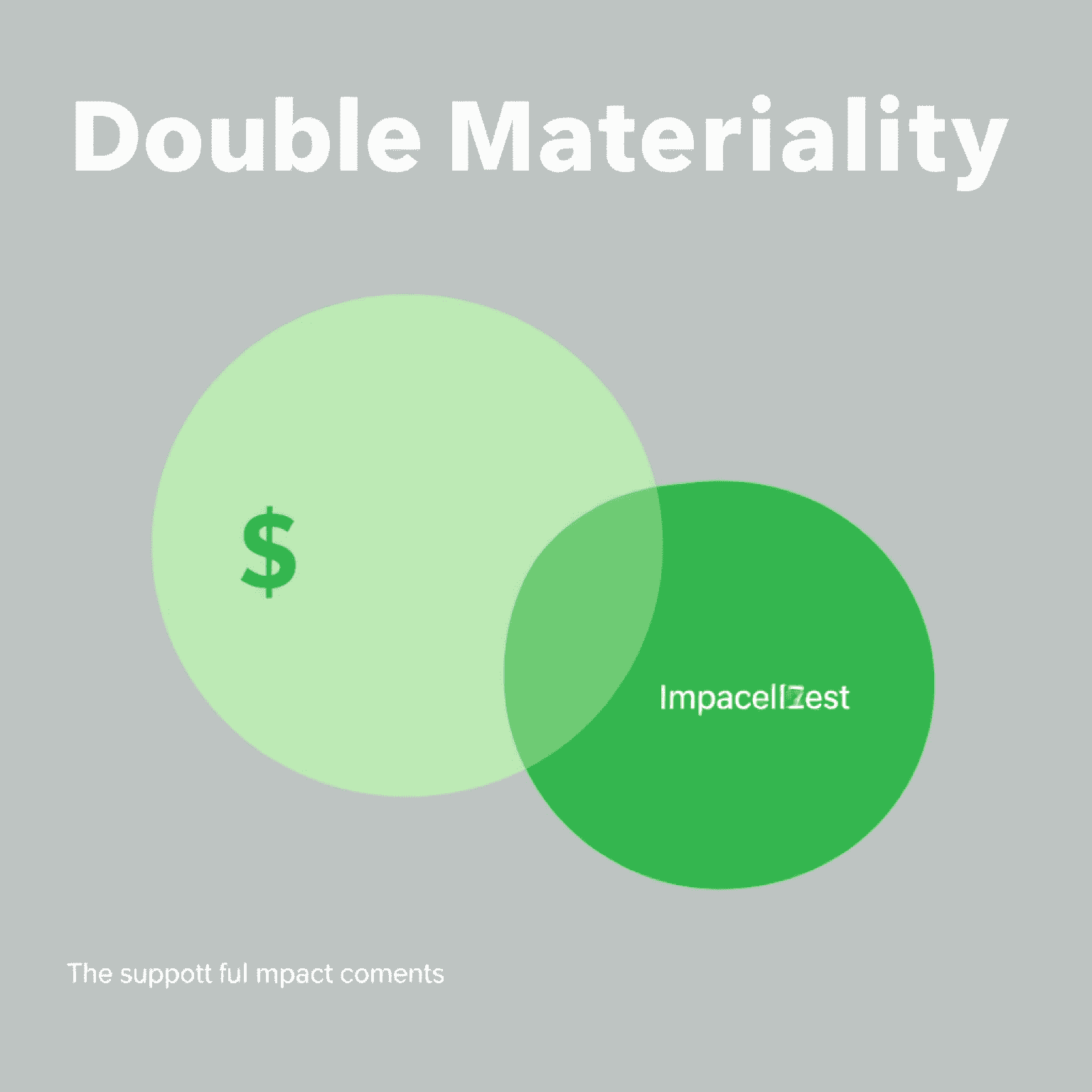
- Double Materiality: This is perhaps the most significant concept. Companies must report not only on how sustainability issues affect their business (financial materiality) but also on how their own operations impact people and the planet (impact materiality).
- European Sustainability Reporting Standards (ESRS): The reporting itself must adhere to a detailed set of standards developed by EFRAG. These standards cover a wide range of ESG topics, from climate change and biodiversity to workforce conditions and business ethics.
- Mandatory Audit (Assurance): For the first time, sustainability information will be subject to a mandatory, albeit initially limited, assurance requirement. This adds a layer of credibility and accountability that has been missing.
"The CSRD isn’t just about reporting more; it’s about thinking differently. It forces companies to integrate sustainability into the very core of their strategy and risk management."
What Does This Mean for Your Business?
The implications are far-reaching. Preparation is key, and businesses should start by conducting a thorough gap analysis of their current reporting practices against the ESRS requirements. This involves identifying what data is already being collected and where new processes are needed.
Furthermore, the CSRD necessitates cross-departmental collaboration. Sustainability can no longer be siloed in a single department. Finance, operations, legal, and HR teams must work together to gather data, assess risks, and formulate a cohesive narrative. This integrated approach is crucial for creating a report that is not only compliant but also a valuable tool for strategic decision-making and stakeholder engagement. Ultimately, while the CSRD presents a significant challenge, it also offers a unique opportunity. Companies that embrace this new era of transparency can build trust, enhance their brand reputation, attract investment, and create long-term value in a rapidly changing world.
About Chloe Dubois
Chloe is a Senior Sustainability Consultant at ReportRight, specializing in ESG strategy and regulatory compliance. With over a decade of experience, she helps multinational corporations navigate the complexities of sustainability reporting frameworks like CSRD and GRI.